The Complete Guide to Treating Wrinkles in Kent
- Juvenology Clinic

- Jan 18
- 18 min read
Table of Contents
You know what's funny? People ask me all the time: "Why am I getting wrinkles?" As if there's some mystery to solve.
The truth is pretty straightforward, even if it's not what anyone wants to hear. Your skin is aging because you're aging. That's... kind of how biology works.
But here's the thing: understanding how it's aging helps us figure out what to do about it.
Your skin has been losing collagen at roughly 1% per year since you hit your mid-20s.
But understanding what's happening and why gives you power to do something about it.
So let's start with the different types of wrinkles.
Dynamic vs Static: Why This Matters More Than You Think
What Are Dynamic Wrinkles?

Okay, this is probably the most important distinction I need you to understand, and most clinics don't explain it properly.
Dynamic wrinkles appear when you move your face. Smile, you get crow's feet. Raise your eyebrows, horizontal lines appear across your forehead.
Frown, you get those vertical lines between your brows (the "11s" that make everyone look angry.)
These wrinkles are caused by muscle contraction. Every time you make that expression, you're creasing the skin above the muscle.
Do it thousands of times over years, and eventually that crease doesn't fully disappear when your face relaxes.
That's when dynamic becomes static.
What Are Static Wrinkles?

Static wrinkles are there all the time. Even when your face is completely relaxed, you can see them.
These happen when dynamic wrinkles become permanent, when collagen loss gets severe enough that your skin can't bounce back, when volume depletion creates folds.
Why does this matter? Because the treatment is completely different.
Dynamic wrinkles respond beautifully to Botox, which relaxes the muscles.
Static wrinkles need fillers, skin boosters, regenerative treatments, or usually a combination. If you're treating static wrinkles with Botox alone, you're wasting your money.
If you're treating dynamic wrinkles with filler, you're creating bulk where you need relaxation.
Skin aging is a complex biological process influenced by combination of endogenous or intrinsic and exogenous or extrinsic factors. The clinical manifestations include skin atrophy, loss of elasticity, fragility, and wrinkles.
Where Wrinkles Show Up (And What They're Telling You)
I'm going to skip the comprehensive list here because honestly, wrinkles can appear anywhere on your face. But there are a few key areas that bother people most:

Forehead lines are almost always dynamic initially. If you're expressive, if you have a habit of raising your eyebrows when you talk, if you've spent years squinting at computer screens without proper glasses, you'll develop these.
Some people have heavy brows and unconsciously lift them constantly just to keep their eyes fully open.
That creates forehead lines faster than anything.

The "11s" between your eyebrows come from frowning, concentrating, or squinting. From a cardiac perspective, these often correlate with stress levels.
High-stress people tend to furrow more, and those lines deepen faster. They can make you look angry or worried even when you're feeling fine, which is why they're one of the most requested treatment areas.
FDA has approved Botulinum toxin type A for certain cosmetic uses, including treatment of forehead lines, crow's feet (lines around the eye), and frown lines. Botulinum toxin acts by blocking nerve signals to the muscles, causing them to relax.

Crow's feet are interesting because some people love them (character, warmth, genuine smile) and some people hate them.
Sun damage accelerates these dramatically because the skin around your eyes is thin and vulnerable. If you've spent years outdoors without sunglasses, you'll know.
Up to 90 percent of the visible changes commonly attributed to skin aging are caused by the sun.

Lines around your mouth are probably the most challenging to treat. You've got vertical lines above the upper lip (smoker's lines, though non-smokers get them too), and marionette lines running from the corners of your mouth downward.
These involve muscle movement, volume loss, bone resorption, and usually decades of sun damage.
Actually, quick side note: if a practitioner promises you anything will "completely disappear," run. That's not how this works.
Why Juvenology's Approach Is Different (And Why I Think It Matters)
When I transitioned from cardiac nursing to aesthetics, I brought something with me that I didn't fully appreciate at the time: systems thinking.
Most clinics treat wrinkles as isolated problems. You've got forehead lines? Here's Botox. You've got nasolabial folds? Here's filler. Next!
But wrinkles aren't isolated problems. They're visible signs of underlying biological processes. Collagen degradation, cellular aging, volume depletion, repetitive muscle patterns, lifestyle impacts, systemic health factors, hormonal changes, inflammation... it's all connected.
This is why Juvenology focuses on the whole picture rather than just, I don't know, slapping Botox on everything and calling it a day.
How I Actually Assess Patients (Because Cookie-Cutter Doesn't Work)

Every patient starts with a proper consultation.
I won't inject anyone on their first visit without thorough assessment and discussion, which some people find frustrating because they've come in ready to go but here's the thing.
I need to understand what's actually happening with your face
Not just what you think is happening.
Sometimes patients come in asking for filler when they need Botox.
Or they want Botox for wrinkles that won't respond to it. Or they're convinced they need dramatic intervention when actually, their skin quality is their main issue and regenerative treatments would serve them better.
I'll watch you make different facial expressions to see which muscles are overactive. I'll assess your skin quality, looking at texture, elasticity, hydration, barrier function. I'll evaluate where you've lost volume and whether restoring it would actually help or just create bulk.
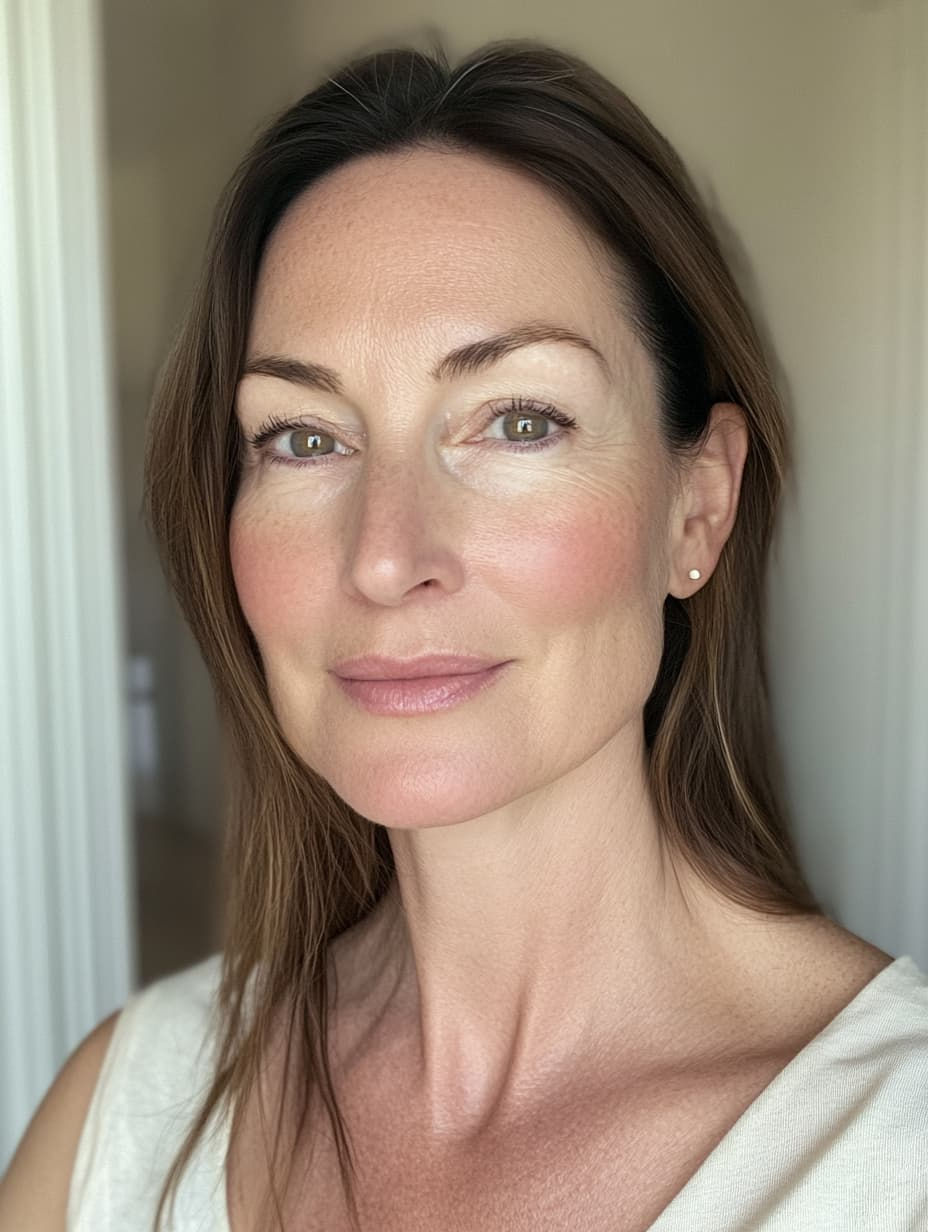
And we'll talk about your life. Sun exposure history, stress levels, sleep quality, what you eat, whether you smoke (please don't), what skincare you're using, any health conditions that might affect treatment.
Then we'll discuss your goals. What bothers you most? What would make the biggest difference? Are you looking for subtle improvement or more dramatic change? What's your budget? How much downtime can you handle?
Only after all of that do I recommend treatments.
And look, I'm going to be honest with you. If I think a treatment won't give you the results you're hoping for, I'll tell you.
If there's a more effective approach, even if it means referring you elsewhere, I'll share that.
How Botox Treats Wrinkles

Everyone's heard of Botox. Most people have opinions about it despite never having tried it.
So let me explain what it actually does, because the misconceptions drive me slightly mad.
Botox is botulinum toxin type A. It temporarily blocks nerve signals to specific muscles.
When those muscles can't contract as strongly, the skin above them doesn't crease as deeply. Over time, this softens existing wrinkles and prevents new ones from forming.
It works brilliantly for dynamic wrinkles. Forehead lines, frown lines, crow's feet.
Anywhere the wrinkles are caused by muscle movement, Botox is usually the right answer.
Botox works by temporarily blocking nerve signals to specific muscles. As the FDA explains in their guidance on cosmetic injectables, 'Botulinum toxin acts by blocking nerve signals to the muscles, causing them to relax.' When those muscles can't contract as strongly, the skin above them doesn't crease as deeply.
The treatment takes about 10 minutes. I use tiny needles to inject precise amounts into specific muscles. It feels like small pinches. Most people say it's much less painful than they expected, though the area around the eyes can be slightly more uncomfortable.
You won't see results immediately, which surprises people. The toxin needs time to bind to nerve endings and block the signal transmission. Most people start noticing effects around day 3 to 5, with full results by day 10 to 14.

Results last approximately 3 to 4 months, though this varies. Some people metabolize it faster.
Very active muscles sometimes need slightly higher doses or more frequent treatment. With consistent use over time, some people find results last a bit longer as the muscles get trained to relax.
Here's where my approach differs from a lot of clinics: I don't believe in the frozen, overdone look.
You know the one. Where people can't move their foreheads at all and have that surprised, slightly startled appearance permanently.
That's not good Botox. That's excessive Botox, poor placement, or both.
I use careful dosing and strategic placement to preserve natural facial movement while softening the wrinkles that concern you. You should still be able to express emotions. Your face should move. It just shouldn't crease as deeply.
The FDA guidance on cosmetic injectables is clear: these treatments "should only be administered by a licensed health care provider who is trained and experienced in injecting these products." This isn't optional. This is critical for your safety.

We'll spend 30 to 60 minutes together. I won't rush you. I won't pressure you. And I definitely won't inject you on your first visit without proper assessment.
We'll discuss what's bothering you, what you're hoping to achieve, your medical history, previous treatments if any, your lifestyle, your budget, and your timeline. I'll assess your facial muscle movement, skin quality, volume distribution, and overall aging pattern.
We'll build a long-term plan that makes sense for your goals and budget.
FAQ Section
Frequently Asked Questions About Wrinkle Treatments
Look, I get asked the same questions constantly during consultations. So let me answer the most common ones here, backed by actual research rather than just my opinion.

How long does Botox actually last?
The honest answer is 3 to 4 months for most people, though there's individual variation.
One of the landmark studies on Botox for frown lines found that "injection of botulinum A exotoxin into the corrugator and procerus muscles resulted in marked improvement in glabellar frown lines in all patients. The effect was dose-dependent and persisted for an average of 3.5 months."
Research on crow's feet treatment confirms that "onset of effect for lateral canthal lines typically occurs within 3-5 days, with maximum effect achieved at 10-14 days post-injection. Duration of effect averages 3-4 months, though individual variation exists."
Some patients metabolize it faster (strong metabolism, very active muscles) and might find it wears off around 10 to 12 weeks. Others maintain results for 4 to 5 months. With repeated treatments over time, some people find results last slightly longer as muscles become trained to relax more.
But anyone promising you'll get 6 months consistently is overselling. Plan on maintenance every 3 to 4 months.
Does Botox hurt?
Most patients describe it as mildly uncomfortable rather than painful. The needles are tiny, much smaller than those used for blood draws or vaccines.
It feels like small pinches or quick stings. The forehead tends to be least sensitive. The area around the eyes can be slightly more uncomfortable because the skin is thinner there. But the entire procedure takes only 10 to 15 minutes, and any discomfort is very brief.
The early safety study on cosmetic Botox noted that "no patient experienced any systemic effects," and pain wasn't significant enough to even mention in the adverse effects section.
I've had it done myself. It's genuinely not as bad as people build it up to be in their minds.
Can I combine Botox with other treatments?
Absolutely, and I often recommend it. Combination treatments typically produce better results than any single approach because you're addressing multiple aging factors.
Research on upper face treatments emphasizes that successful outcomes depend on "thorough understanding of facial anatomy, individual muscle patterns, and aesthetic goals. Treatment must be customized to each patient's unique facial structure and desired degree of muscle relaxation."
For example:
Botox + Profhilo: Botox relaxes the muscles creating wrinkles, while Profhilo improves overall skin quality and hydration
Botox + Polynucleotides: Muscle relaxation plus cellular regeneration for comprehensive improvement
Botox + Strategic Fillers: Addresses both dynamic wrinkles and volume loss
Botox + Medical-Grade Skincare: Professional treatment supported by daily homecare
We just need to space treatments appropriately. Generally, I recommend doing Botox first, waiting about 2 weeks for it to fully take effect, then proceeding with other treatments if planned.
The key is creating a personalized protocol based on your specific concerns, not a cookie-cutter package.
Will I look frozen or unable to move my face?
Not if it's done properly with conservative dosing and precise placement.
That frozen, overdone look comes from excessive dosing, treating too many areas with maximum doses, or poor technique. It's not how Botox should look.
Patient satisfaction research confirms what I see in my clinic: "Patient surveys reveal that the majority prefer subtle, natural-looking results that allow for some facial movement and expression, rather than complete muscle immobilization. This preference highlights the importance of individualized dosing and conservative treatment approaches."
Clinical consensus recommendations state that "the goal of upper face treatment is not complete muscle immobilization but rather controlled relaxation that maintains natural facial expression while reducing wrinkle formation. This approach requires artistic judgment combined with anatomical expertise."
My approach is exactly that: controlled relaxation. You should still be able to raise your eyebrows, smile, express emotions. Your face should move. It just shouldn't crease as deeply.
I use careful dosing, strategic placement, and I'd rather slightly under-treat initially and add more at your 2-week review than overdo it from the start.
When will I see results from Botox?
You won't see results immediately, which surprises people who expect instant gratification.
The toxin needs time to bind to nerve endings and block the signal transmission. Research on the mechanism explains that "botulinum toxin acts at the neuromuscular junction by inhibiting the release of acetylcholine, the neurotransmitter responsible for muscle contraction. This blockade is highly selective and reversible, with nerve terminals regenerating over a period of 2-3 months."
Most people start noticing effects around day 3 to 5. You'll feel the muscle relaxing before you see visible change. Full results are typically visible by day 10 to 14.
This is why I schedule review appointments at 2 weeks. That's when we can assess full effect and make any adjustments if needed.
Patience is required. But the results are worth the wait.
Is Botox safe long-term? What if I've been getting it for years?
Yes, long-term use is well-studied and considered safe when administered properly at appropriate intervals.
Comprehensive research on repeated Botox use confirms that "long-term studies have demonstrated that repeated botulinum toxin type A injections maintain their efficacy over time and are well tolerated, with no evidence of cumulative toxicity or tachyphylaxis when administered at appropriate intervals and doses."
There's no evidence of toxin building up in your system or causing long-term damage. Each dose is metabolized completely before your next treatment. Your body gradually restores the nerve connections, which is why you need maintenance.
I have patients who've been getting Botox consistently for 10+ years with excellent ongoing results and no adverse effects.
That said, safety depends on proper dosing, appropriate treatment intervals, and qualified administration. This isn't something to get from someone who took a weekend course.
Can Botox prevent wrinkles from forming in the first place?
Yes, and this is increasingly supported by research.
Clinical studies show that "regular treatment with botulinum toxin not only reduces the appearance of existing dynamic wrinkles but may also prevent the progression of these lines into static wrinkles by reducing repetitive muscle contractions that contribute to skin creasing."
Here's the biology: dynamic wrinkles that appear when you move your face will eventually become static wrinkles visible at rest. Research on wrinkle formation explains that "dynamic wrinkles, which are visible only during muscle contraction, gradually become static wrinkles that persist at rest. This transition occurs as repetitive folding of the skin leads to permanent structural changes in the dermal matrix."
If you prevent the deep creasing before it permanently damages the collagen underneath, you avoid the need for more aggressive correction later.
Consensus recommendations on upper face treatment support this: "Early treatment of forehead rhytides before they become deeply etched can prevent permanent crease formation. Patients in their late 20s and early 30s with early signs of dynamic wrinkling are ideal candidates for preventative treatment."
Prevention is genuinely easier and more cost-effective than correction. This is why I don't think you're "too young" if you're in your late 20s or early 30s and starting to notice lines when you raise your eyebrows or frown.
What's the difference between Botox and dermal fillers?
Completely different treatments for different types of wrinkles. People use these terms interchangeably, which drives me slightly mad.
Botox relaxes muscles. It's for dynamic wrinkles caused by muscle movement: forehead lines, frown lines, crow's feet. It prevents the muscle from contracting as strongly, so the skin above doesn't crease as deeply.
Fillers add volume. They physically fill space beneath wrinkles or restore lost volume. They're for static wrinkles that won't respond to Botox alone: deep nasolabial folds, marionette lines, volume loss in cheeks, lip enhancement.
FDA guidance on injectable treatments clearly distinguishes between the two: "Botulinum toxin acts by blocking nerve signals to the muscles, causing them to relax," while dermal fillers "fill in lines and wrinkles, plump and smooth the skin."
During your consultation, I'll assess which type of wrinkles you have and recommend the appropriate treatment. Often it's a combination: Botox for the upper face (forehead, eyes) and fillers for volume restoration in the midface if needed.
Using the wrong treatment for the wrong type of wrinkle is a waste of your money and won't give you the results you're hoping for.
Why do prices vary so much between clinics? Can I just go with the cheapest option?
Please don't. Cheap Botox terrifies me, and here's why.
The product cost is relatively fixed. Legitimate Botox from Allergan costs a certain amount. So if someone's charging significantly less than market rate (£150-£350 per area in Kent), they're cutting corners somewhere.
Maybe they're using unqualified practitioners without proper medical training. Maybe they're diluting the product to stretch their supply. Maybe they're using counterfeit products from dodgy supply chains. Maybe they're providing minimal consultation and no aftercare.
FDA guidance is explicit: "Injectable fillers and wrinkle treatments should only be administered by a licensed health care provider who is trained and experienced in injecting these products."
The American Academy of Dermatology emphasizes that "the skill of the person performing the procedure is extremely important. Poor injection technique can lead to lumps and bumps, asymmetry, or more serious complications."
What you're paying for with quality treatment:
Qualified practitioner with medical training and anatomical knowledge
Legitimate product from authorized suppliers
Comprehensive consultation and assessment
Precise technique and appropriate dosing
Emergency equipment and protocols
Professional insurance and accountability
Proper aftercare and follow-up
My cardiac background makes me sensitive to this. In medicine, cutting corners can have serious consequences. The same applies here.
Your face deserves investment in safety and expertise.
What are the side effects or risks of Botox?
Common side effects are generally minimal and temporary. Serious complications are extremely rare when treatment is performed by qualified practitioners.
Common temporary effects:
Mild bruising at injection sites (happens to about 20% of patients)
Slight headache on the day of treatment (some people)
Temporary redness or swelling at injection points
Occasional mild asymmetry that settles or can be adjusted
The original safety study on cosmetic Botox found that "no patient experienced any systemic effects. The only adverse effect noted was temporary brow ptosis in one patient, which resolved spontaneously within two weeks."
Rare complications:
Eyelid or brow drooping (ptosis) from migration to unintended muscles
Asymmetry requiring adjustment
Allergic reaction (extremely rare)
The key to minimizing risks is proper technique, anatomical knowledge, and appropriate dosing. Research on Botox mechanism notes that "the localized effect of botulinum toxin allows for precise targeting of specific facial muscles responsible for wrinkle formation, while preserving function in surrounding muscles."
This is where my cardiac nursing background matters. I know facial anatomy intimately. I use precise injection depth and placement. I have emergency protocols ready, though in thousands of treatments, I've never needed them for Botox.
The safety margin is substantial. The cosmetic dose is "several hundred times lower than the amount that would cause systemic effects," according to medical literature.
That said, always choose a qualified, medically-trained practitioner. Safety isn't just about the product; it's about who's administering it.
Will my wrinkles get worse if I stop getting Botox?
No. This is a myth that needs to die.
If you stop getting Botox, your muscles will gradually regain their full function over 3 to 4 months. Your wrinkles will return to their pre-treatment state. They won't be worse than before you started.
What sometimes happens: people get used to seeing their face without wrinkles, so when the Botox wears off and wrinkles reappear, they seem more noticeable than they did before treatment. It's perception, not reality.
Research on repeated Botox use confirms this, noting that the treatment is "reversible, with nerve terminals regenerating over a period of 2-3 months" after you discontinue.
Actually, there's an argument that regular Botox use might leave you better off than if you'd never treated. Because you've been preventing deep creasing for months or years, you may have avoided some of the static wrinkle formation that would have occurred with constant muscle movement.
But you're not obligated to continue forever. It's your choice. Stop whenever you want. Your face will simply return to its natural state.
How do I know if I'm a good candidate for Botox?
Most people with dynamic wrinkles are good candidates, but there are some contraindications.
Good candidates:
Dynamic wrinkles that appear with facial movement
Realistic expectations about results
General good health
Not pregnant or breastfeeding
No neuromuscular disorders
Not suitable:
Pregnancy or breastfeeding (insufficient safety data)
Certain neuromuscular conditions (myasthenia gravis, Lambert-Eaton syndrome)
Allergy to botulinum toxin (extremely rare)
Active skin infection at injection sites
Unrealistic expectations or body dysmorphia concerns
The FDA guidance is clear that providers should evaluate each patient individually and discuss all risks and benefits before proceeding.
During your consultation, we'll review your medical history, assess your wrinkles and facial muscle movement, discuss your goals and expectations, and determine if Botox is the right treatment for you.
Sometimes I recommend alternative treatments if I think they'll serve you better. Botox isn't always the answer, and I'm not going to tell you it is just to make a sale.
What should I avoid after getting Botox?
The aftercare is pretty straightforward:
For 4 hours after treatment:
Don't lie down flat (keeps product from migrating)
Avoid touching or massaging the treated areas
Stay upright as much as possible
For 24 hours after treatment:
Avoid strenuous exercise or activities that increase blood flow to your face
Skip hot environments (saunas, steam rooms, very hot showers)
Avoid alcohol (increases bruising risk)
Don't have facials or facial massage
Avoid other facial treatments
You can:
Return to normal daily activities immediately
Wear makeup (just apply gently)
Wash your face normally
Take paracetamol if you have a mild headache (avoid aspirin/ibuprofen for 24 hours as they increase bruising)
The clinical protocols for Botox administration include these standard aftercare instructions to optimize results and minimize complications.
I'll give you specific written aftercare instructions on the day of your treatment, and you can always contact me if you have concerns during your recovery.
Can Botox help with all types of wrinkles?
No, and this is important to understand. Botox is brilliant for what it does, but it's not a universal solution.
Botox works excellently for:
Dynamic wrinkles caused by muscle movement
Forehead horizontal lines
Glabellar lines (frown lines, the "11s")
Crow's feet (lateral eye lines)
Bunny lines (sides of nose)
Certain neck bands (platysmal bands)
Botox won't effectively treat:
Deep static wrinkles visible at rest (these need fillers or regenerative treatments)
Wrinkles caused by volume loss (need fillers)
Skin quality issues like texture or crepiness (need skin boosters or regenerative treatments)
Severe skin laxity (might need threads or other lifting procedures)
Research on skin aging explains that "wrinkles are formed when collagen and elastic fibers in the dermis become disorganized and fragmented due to cumulative oxidative damage. This process is accelerated by repeated facial muscle contractions that fold the skin along the same lines over time."
Botox addresses the muscle contraction component. For the collagen damage and volume loss components, you need different treatments.
This is why proper assessment is crucial. I need to identify what type of wrinkles you have and what's causing them before recommending treatment. Often, combination therapy addressing multiple factors produces the best results.
If someone promises Botox will fix everything, they're either uninformed or dishonest.
Final Thoughts on FAQs
These are the questions I get asked most often, but they're not exhaustive. Every patient has unique concerns and circumstances.
If you have questions not covered here, ask during your consultation. There are no stupid questions. My job is to provide you with enough information to make informed decisions about your treatment.
Research on patient satisfaction shows that the best outcomes occur when patients feel educated, heard, and involved in their treatment planning. That's exactly the approach we take at Juvenology.
Book your consultation, bring your questions, and we'll work together to determine what makes sense for you.
Right, What Now?

Look, I've thrown a lot of information at you. If you're still reading this far, you're either genuinely interested or possibly trapped under something heavy and unable to close the browser.
Here's the bottom line:
Wrinkles are natural. Aging is natural. There's nothing wrong with either.
But if wrinkles bother you, if they make you feel self-conscious or older than you feel inside, there are genuinely effective treatments available. My approach at Juvenology combines medical expertise from cardiac nursing, anatomical precision for safety, regenerative medicine for long-term results, honest recommendations, and integration with longevity medicine.
About Nurse Marina

Nurse Marina is an aesthetic nurse specialist with 8 years of experience leading Juvenology Clinic in Maidstone, Kent. Her background includes 6 years as a cardiac nurse at KIMS Hospital (where she developed expertise in vascular anatomy and precision injection technique) and 2 years as an aesthetic nurse specialist at Spencer Private Hospitals.
She holds NMC registration and is a member of BACN (British Association of Cosmetic Nurses), JCCP (Joint Council for Cosmetic Practitioners), ACE Group, and the Royal College of Nursing. She's also registered with the ICO (Information Commissioner's Office) and verified by the Professional Standards Authority.
In my cardiac days, I learned that precision and knowledge of anatomy can save lives. In aesthetics, I've learned that the same principles, combined with genuine care for patient outcomes, transform how people feel about themselves. This isn't vanity. It's medicine that happens to create confidence.
Where to Find Us
Juvenology Clinic 82 King Street, Maidstone, Kent ME14 1BH
Book now at https://www.juvenology.co.uk
We're right in the heart of Maidstone town centre. Perfect for local residents and Kent commuters who want professional nose filler from a medically qualified practitioner.
Getting Here
From Maidstone East Station (5 minutes): Exit onto Week Street, turn left for 300 metres, then right onto King Street. We're on the ground floor with clear signage.
From Maidstone West Station (10 minutes): Head down Gabriels Hill, right onto High Street, then left onto King Street. Halfway down on the left.
By car: From M20 Junction 7, follow signs to Maidstone town centre. Takes about 10 minutes.
Parking nearby:
The Mall Maidstone (£2/hour, 5-minute walk)
King Street Multi-Storey (£1.50/hour, 2-minute walk)
Riverside at Lockmeadow (8-minute walk)
By bus: Routes 71, 155, and 333 stop directly on King Street.
Accessibility: Ground-floor access, wheelchair accessible, with disabled parking at The Mall nearby.
Areas We Serve
We treat patients from across Kent and the South East.
Many travel from Aylesford, Bearsted, Barming, Allington, and Loose. Others come from the Medway towns: Rochester, Chatham, Gillingham, Rainham. We see patients from West Kent too (Tonbridge, Sevenoaks, Kings Hill, West Malling) and Mid Kent villages like Lenham, Hollingbourne, and Harrietsham.